
MEP Engineering for Architects | The John Thomas Dye School
Project Overview
MEP engineering for architects on a multi-building K–12 campus expansion—Title 24 compliant, phased, and permit-ready.
MEP Engineering for Architects: The John Thomas Dye School
K–12 campus projects require a careful balance of long-term planning, phased construction, and day-to-day campus operations. Architects leading these projects need an MEP consultant who understands how systems coordination, Title 24 compliance, and package-based permitting impact schedule, constructability, and stakeholder confidence.
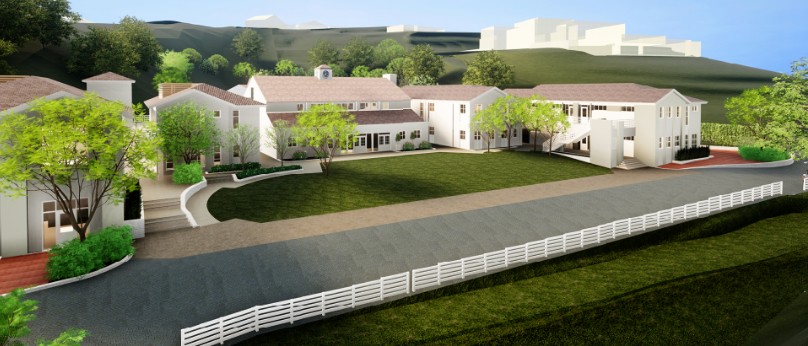
For The John Thomas Dye School in Los Angeles, our team provided mechanical, electrical, and plumbing engineering for a multi-building campus expansion and renovation program. The scope included new academic buildings, renovations to existing facilities, and site improvements—each delivered as a separate, coordinated package to support phased construction.
This project demonstrates our ability to support architects on complex educational campuses with clear coordination, disciplined documentation, and permit-ready MEP design.
Project Scope
How We Support Architects
Campus-Scale MEP Coordination
This project required coordination across multiple buildings and site elements, including:
- JTD Hall East Wing (≈15,000 SF): Eight classrooms, support spaces, restrooms, and an elevator
- JTD Hall West Wing (≈12,000 SF): Classrooms, offices, restrooms, support spaces, and an elevator
- Gym/Library Remodel & Addition (≈3,700 SF) with an adjacent shaded lunch patio (≈4,500 SF)
- Driveway Play Area (≈7,000 SF) with a shaded structure
Each scope area was divided into a distinct design and permit package, requiring consistent standards while allowing flexibility in phasing and construction sequencing.
Interior and Exterior Systems Integration
We coordinated both building and site systems to ensure continuity across the campus, including:
- Interior and exterior lighting and power
- Site and façade lighting tied to Title 24 controls
- Emergency egress photometrics for buildings and exterior areas
- Low-voltage power coordination for campus systems
Our MEP coordination approach helped the architectural team manage complexity while maintaining a unified campus design.
Our MEP Design Approach
Process-Driven, Permit-Ready Design
Educational projects demand clarity—for school administrators, plan reviewers, and contractors alike. Our mechanical electrical plumbing engineering scope emphasized:
- Clear assumptions regarding existing campus electrical service capacity
- Consistent single-line diagrams with load, voltage drop, and AIC calculations
- Straightforward system layouts aligned with architectural planning grids
- Performance-based specifications for fire alarm and fire protection systems
Where systems were designed by specialty contractors, responsibilities were clearly defined to reduce coordination risk.
Energy Compliance and Performance
We prepared all required California Title 24 energy compliance documentation, including:
- Interior and exterior electrical energy compliance forms
- Mechanical energy compliance using the prescriptive method, including envelope modeling
- Lighting control intent diagrams coordinated with architectural and lighting design
This ensured smooth plan check reviews across multiple permit packages.
Services
Highligths
Why Architects Choose Us as Their MEP Consultant
Architects partner with us on K–12 and institutional projects because we understand the realities of campus planning, stakeholder coordination, and phased delivery.
- Architect–Engineer Collaboration: Clear communication across multiple buildings and packages
- Education Experience: Familiarity with classroom, support, and assembly space requirements
- Permit-Ready Documentation: Drawings aligned with AHJ and DSA-style review expectations
- Risk Reduction: Early identification of infrastructure assumptions and constraints
We act as a collaborative MEP consultant, supporting architectural leadership from early planning through permitting.
Project Types We Support
This project reflects our broader experience providing MEP engineering for architects on:
- K–12 and private school campuses
- Multi-building educational expansions
- Classroom, gymnasium, and library facilities
- Campus site and outdoor learning spaces
- Phased institutional construction projects
- Across all project types, our focus remains the same: coordinated, constructable, and permit-ready MEP design.
Let’s Collaborate
If you’re looking for an MEP consultant who understands the complexity of campus-based educational projects—where phasing, coordination, and clarity are critical—we’d welcome the opportunity to collaborate.
From early master planning support through multi-package permitting, we help architects deliver educational environments that perform reliably and stand the test of time.
Let’s talk about your next education or campus project.